



how to open up a brewery: start with the room, not the tanks.
A working guide to how to open up a brewery: the model, the building, the systems and the brand to settle before the first batch.
insights · systems · 29 nov 2026 · 7 min
There's no honest average for what a restaurant costs to open. There are six decisions that set the number, and one of them, the cash you hold after opening, is the one budgets cut first.
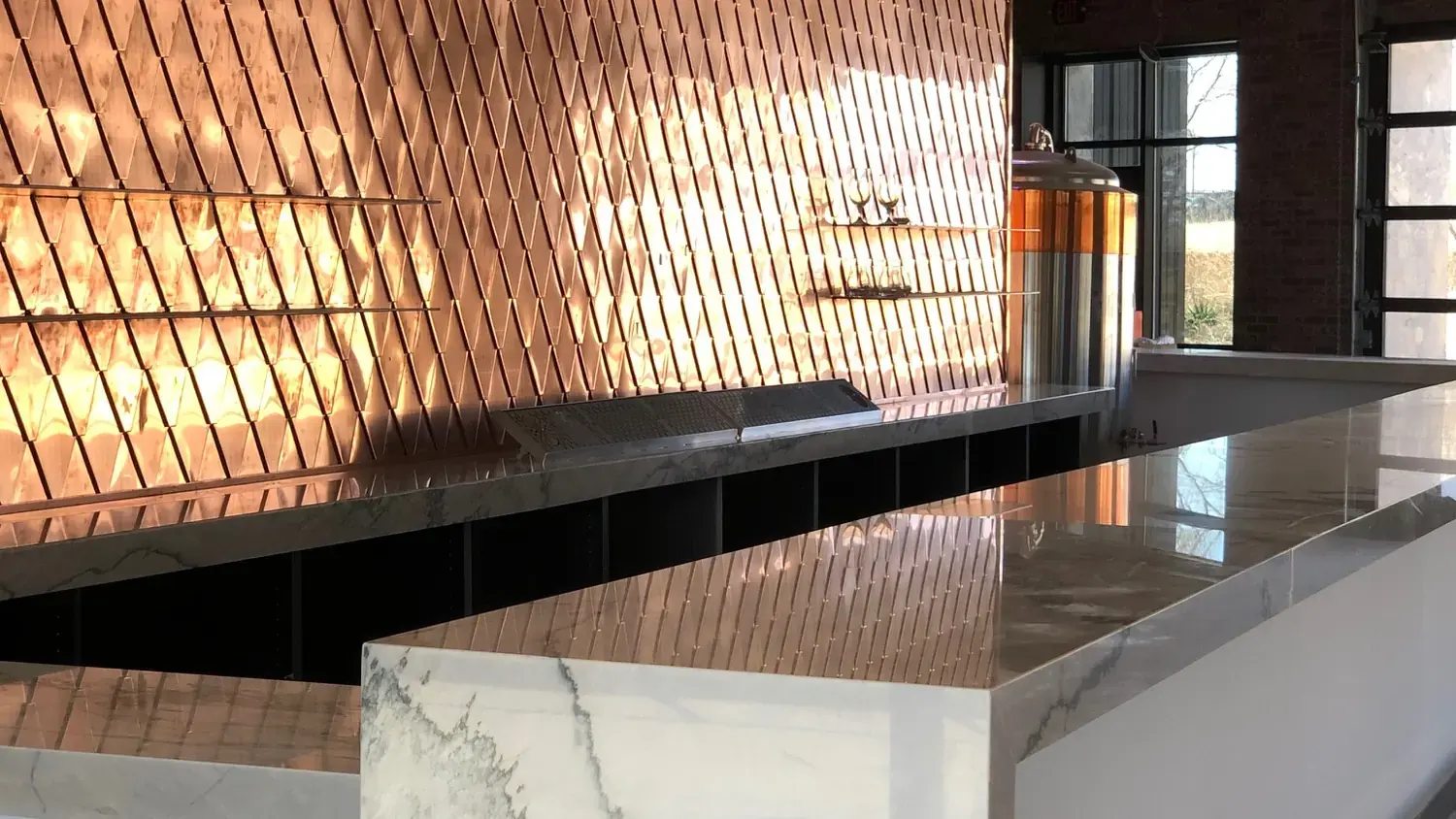
The honest answer to how much will it cost to open a restaurant is that six decisions set the number, and no average you read online will tell you yours. The condition of the space you lease. The kitchen your menu demands. The room you build around the guest. The pre-opening spend nobody itemizes. The cash you hold after the doors open. And a named line for surprises. Put real quotes against all six and you have your number. Skip one and the number is fiction.
We won't hand you a range. A taproom with a short food menu in a former bar and a 90-seat bistro in a raw shell can sit on the same street and be two different businesses, and pricing them off one figure is how budgets break. What we can do is show you where the money goes, in the order it leaves, so you can build the number yourself.
Start with the lease, because the space decides more of the budget than the menu does. A second-generation space, one that was a restaurant before, may already have a hood, a grease trap, a walk-in and plumbing in roughly the right places. A shell is concrete, a roof and a stub-out. Every one of those systems is now yours to buy, permit and install.
Second-generation is not automatically cheap. The hood may be the wrong length for your line. The walk-in compressor may be on its last summer. The previous tenant may have left for a reason you'll find in the floor drains. We walk a space with the kitchen in mind before anyone signs, because a lease that looks like a bargain can carry a five-figure surprise on the far side of the dish pit.
Ask the landlord what tenant improvement money comes with the lease, and read exactly what it covers. Then price the space twice: once as it stands, once as your concept needs it. The gap between those two numbers is your first real line item, and it's usually the biggest one you can still negotiate.
Your menu writes the equipment list. A wood-fired grill, a fryer bank and a pastry program each pull in their own hood length, gas line, electrical load and fire suppression. A cafe pulling espresso and baking off pastry needs a different kitchen entirely from a chef-driven kitchen running twelve hot dishes off a six-burner and a flat-top.
So the cheapest kitchen is the one designed around the menu you'll actually run, not the one you might run someday. Every extra station is equipment, plus the square footage it eats, plus the person who has to stand there every shift. We cut dishes on paper before anyone cuts checks for equipment.
Then look at the walk-in, the dish pit and the pass as one working loop. A pass placed twenty feet too far from the line isn't a construction cost on day one. It's a labor cost every shift after, which is still a cost of opening. You just pay it slowly.
The guest side splits into the parts guests touch and the parts they only notice when they're wrong. Seats, tables, the bar top, lighting, finishes, restrooms, signage. Each has a cheap version, a right version and a vanity version, and the money goes missing in the third.
Spend where the hands and feet go. A bar top takes elbows, glassware and spilled citrus every night, so it earns a durable surface. A feature wall nobody leans on can be good paint and good light. Chairs get dragged, stacked and sat in sideways, so a commercial-rated frame beats a beautiful residential one that wobbles before the first holiday party.
Count the seats against the budget, too. The build cost of a room is fixed, but its earning power runs through the seat count and the turn. Ten more seats that fit the service path are worth more than a statement chandelier. Ten seats crammed into the server's route cost you on every ticket.
Pre-opening spend is where first budgets go quiet. Training payroll. Opening food and liquor inventory. Smallwares, meaning every sheet pan, ramekin, bar spoon, ticket rail and bus tub. Uniforms. POS hardware and setup in Toast or Square. Permits, the health inspection and the TABC license if you're pouring. Menus printed, then reprinted after the first tasting changes three dishes.
Training payroll alone surprises people, so run a worked example. A team of 25 training for five days, six hours a day, at a hypothetical $15 an hour comes to $11,250 before anyone serves a paying guest. Then add a friends-and-family night where the food is free and the labor is not.
None of these items is large on its own. Together they're a real number, and a budget that lumps them into 'misc' is a budget that hasn't been built yet.
The build is not the finish line. The doors open, sales start below the plan, and rent, payroll and the produce invoice arrive on schedule anyway. The cash you hold for that gap is part of what it costs to open, and it's the line that gets cut first when the build runs over.
Do the math on your own room. Say your bistro needs $16,000 a week to break even and the first weeks bring in $12,000. That's a $4,000 hole every week. Ten weeks of it is $40,000, before a compressor fails or a line cook walks out mid-shift. If that cash isn't in the account on opening day, the opening budget was never complete.
Then add a named line for surprises. Not a feeling. A line, with a number on it, for what the walls hide, what the inspector asks for and what the first full service shows you. Our post on how to write a restaurant business plan that holds up walks through putting these lines on paper a lender will actually read.
The opening budget is a working document, not a slide in a pitch deck. Every change order, every upgraded fixture, every 'while we're at it' gets logged against it the day it's agreed, not at the end when the invoices land in one pile.
That's systems work, and it's why we treat cost as a design problem from the first sketch. The menu shapes the kitchen, the kitchen shapes the lease, the lease shapes the room, and the room shapes the seats that pay for all of it. Change one and the others move. Our services run from strategy and build-out through systems + ops, so the whole chain stays in view at once.
So when someone asks what it costs, the honest answer is a question back. What are you serving, where, to how many people, and how many slow weeks can you carry? Answer those four with real quotes and the number stops being a guess.
It can be, but not by default. A space with a working hood, grease trap and walk-in saves you installing them. Equipment sized for the last menu, or near the end of its life, can erase that advantage fast. Walk it with your menu in hand before you sign.
Pre-opening costs and the cash to survive after opening. Training payroll, opening inventory, smallwares, permits and POS setup add up quietly. The bigger gap is the reserve for the weeks when sales run below break-even, which belongs in the opening budget, not after it.
Yes, as its own named line with a real number on it. Construction finds things the drawings didn't show, and inspectors ask for things you didn't plan. A contingency hidden inside other lines gets spent before anyone notices it's gone.
Design costs money, and so does building the wrong thing. A kitchen that doesn't match the menu or a room that fights the service path costs as much to build as one that works. The difference shows up in labor and repairs every shift after opening.