


what does a restaurant branding studio in dfw actually do?
The whole system a guest reads before the first bite: name, identity, menu, signage, and the room. Here is the real scope.
insights · brand · 19 oct 2026 · 8 min
Most naming advice stops at the brainstorm. This one starts there and keeps going, through the trademark search, the sign shop, the phone call, and the first time a guest says it out loud.
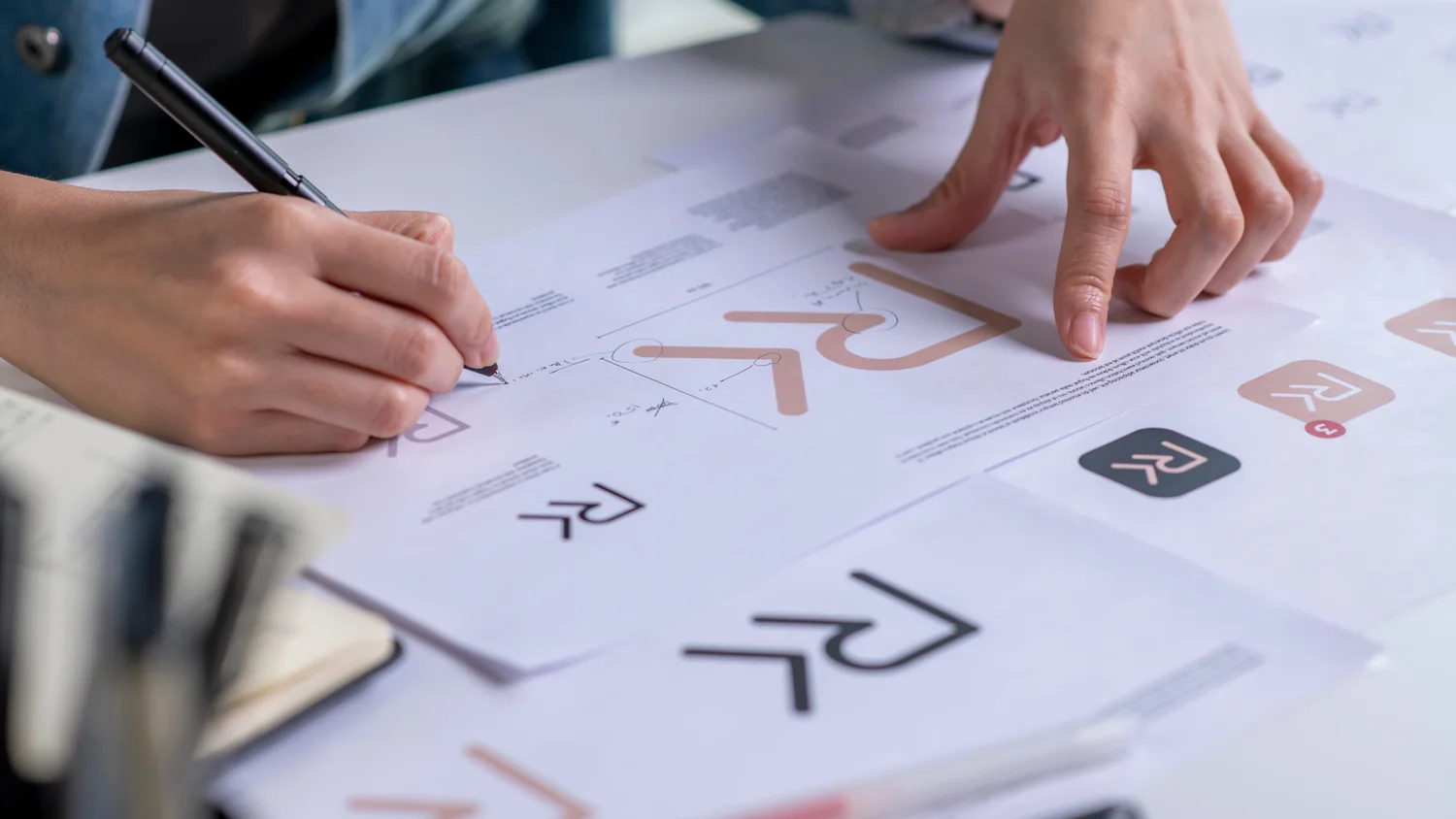
The best restaurant name ideas come from a short list of concrete sources, then survive four tests: can someone say it, spell it, find it, and own it. Say it over a loud room. Spell it after hearing it once. Find it in a search bar without competing with twelve other businesses. Own it legally and on the platforms that matter. Anything that clears all four is a real candidate. Anything that fails one is a hobby.
Naming is not the fun part at the end of branding. It is the first structural decision you make, and it constrains everything after it: the mark, the sign, the menu header, the can, the merch, the URL, the way your host answers the phone at 7:15 on a Saturday. Get it right and the rest of the work gets easier. Get it wrong and you spend years paying a small tax on every single touchpoint.
Staring at an empty page produces bad names. It produces adjectives. What produces good names is mining specific territory, then editing hard.
Five sources do most of the work. Place: a street, a creek, a crossroads, a neighborhood nickname, the number on the building. Material and craft: the thing you cook on, the thing the room is made of, a tool from the kitchen. Person or character: a real family name, or an invented one with a point of view, the way a made-up proprietor can carry a whole room. Language and idiom: a phrase from service, a bit of kitchen slang, a word in the language your food comes from. And the oblique noun, a word with texture that means nothing until your room gives it meaning.
Sit with each source for twenty minutes and write forty candidates without judging any of them. Then cut to eight. You are not looking for the clever one yet. You are looking for the ones that still feel like something an hour later.
One honest warning about the oblique noun. A name that means nothing on day one needs a room, a logo, and a year of service to fill it with meaning. That is a fine bet if you are building something with legs. It is an expensive bet if your marketing budget after opening is whatever is left in the account.
Say it out loud across a crowded bar. Not in your head. Out loud, to someone standing six feet away, with music on. If they ask you to repeat it, you have a problem that a beautiful logo will not fix. A host repeats your name a few hundred times a shift on the phone and at the stand. Every repeat is friction or it isn't.
Then the spelling test. Say the name once to someone who has never heard it and ask them to type it into their phone. If silent letters, doubled consonants, or a cute misspelling send them somewhere else, you have just handed your search traffic to a stranger. We like the rule that a name should be spellable by a person who heard it in a parking lot.
Next, the search test. Type the name plus your city. Count how many businesses, bands, and products are already sitting there. Check whether the domain you want is gettable in some clean form. Check the handle on Instagram. Check whether Google already thinks the name belongs to a bakery in another state. None of this is a veto on its own. All of it together tells you how much money you will spend to be found.
Last, the legal test. Search the federal trademark database for the mark in the restaurant and bar classes, then search Texas business filings. Then call a trademark attorney before you spend a dollar on a sign. This is the cheapest insurance in the whole opening budget and the most frequently skipped.
Write the name in a box the shape of the space above your door. Not a word processor. The actual proportion. A fourteen-character name on a narrow storefront becomes very small letters or a very long sign, and long signs cost more, read worse from the road, and fight your landlord's criteria package.
Then write it on the smallest thing it will ever appear on. A coaster. A can lid. A pint glass etched in one color. An embroidered patch on a work shirt. Names that look good at twelve inches often collapse at one inch, and the small applications are where guests actually carry your name out of the building.
A short name with a distinctive shape beats a long name with a good meaning. Two words beats four. One word with a strong silhouette beats almost anything, which is why so many durable restaurant names are a single noun and why so many first drafts are three words and a definite article.
The most common failure is a name that boxes you in. Name it after a single dish and you have promised a menu you may not want in year three. Name it after a trend and you age with the trend. Name it after the neighborhood and a second location gets awkward. None of these are fatal. They are just doors you are closing, and you should close them on purpose rather than by accident.
The second failure is a name that doesn't match the room. We have walked into places where the name promised a dim bar with a long whiskey list and the room delivered picnic tables and a garage door. Guests notice. They do not say the word brand. They say it felt off, and they do not come back on a Friday.
The third failure is a name nobody can repeat. A guest telling a friend about dinner is the cheapest marketing that exists, and it only works if the friend can find the place. If the recommendation requires spelling, a link, or an explanation, the chain breaks.
A name lives inside a larger set of decisions about type, color, menu language, and how the room sounds. That is why we treat naming as the first move in a brand identity that works as a system, not a logo, and why we won't sketch marks until the name has been through all four tests.
We start with positioning, not words. Who is the guest, what is the check average, what does a Tuesday look like against a Saturday, what are the four or five concepts within a mile that a guest might pick instead. Naming without that is decoration. With it, you can tell in ten seconds whether a candidate is pointing at the right room.
Then we generate wide and cut fast. Sixty to eighty candidates across the five sources, down to a dozen, down to five. The five go through the say-it, spell-it, find-it, own-it tests and through a sign-and-coaster sketch so you are deciding between real options rather than words in a list. Usually two survive. Sometimes one. That is the right number.
Once the name clears, the rest of the brand work has something to push against: the mark, the type, the menu voice, the merch, the way the name reads on glass from forty feet away at night. That sequencing is most of what restaurant branding is, and it's why we hold naming inside strategy rather than treating it as a creative sprint.
One more thing from the floor. Sleep on the finalist for a week and listen to how you say it when someone asks what you're opening. If you find yourself adding a sentence of explanation every time, the name isn't doing its job. The name should do the first sentence for you.
Not usually. A descriptive name helps a stranger understand you in one second, which has real value in a food hall or a strip center with no frontage. But it also fixes your menu in place. A neighborhood spot that wants to change its direction in year four will fight its own name. We prefer a name with a point of view and a tagline or menu line doing the describing.
Search the federal trademark database in the restaurant and bar classes, search your state's business filings, check the domain, and check handles on the platforms you'll actually use. Then run the name through a plain Google search with and without your city to see what already owns that search result. Before you sign anything or order a sign, have a trademark attorney confirm it.
It can be. Invented words are easier to trademark and easier to own in search, which is worth real money. The cost is that the word means nothing until your room, your food, and a year of service fill it in. That trade works better for a concept with a strong space and a marketing budget after opening than for a small place relying on word of mouth.
Shorter than your first instinct. One or two words carries best on a sign, a coaster, a can, and in a sentence a guest says to a friend. Longer names get shortened by guests anyway, usually to the part you didn't choose, so it's worth deciding which word survives before the neighborhood decides for you.